CONTACT INFO


VITEMA Headquarters 8221 Estate Nisky St. Thomas, VI 00803

STT: (340) 774-2244
STX: (340) 773-2244
STJ: (340) 776-2244

0%

Floods

It's important to be prepared for flooding, anywhere you live.

HomeFloods

Flooding is the Nation's Most Common Natural Disaster

Flooding can happen in every U.S. state and territory. However, all floods are not alike.

Some can develop slowly during an extended period of rain. Others, such as flash floods, can occur quickly, even without any visible signs of rain. It’s important to be prepared for flooding no matter where you live, but particularly if you are in a low-lying area, near water or downstream from a dam.

Even a very small stream or dry creek bed can overflow and create flooding.
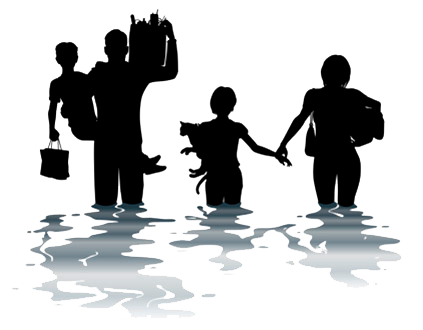
family affected by a flood

STEP 1

GET A KIT

Your Kit

Get an emergency supply kit which includes items like non-perishable food, water, a battery-powered or hand-crank radio,extra flashlights and batteries.

You may want to prepare a portable kit and keep it in your car.

This kit should include:

  • Copies of medication prescriptions and medical supplies.
  • Bedding and clothing, including sleeping bags and pillows.
  • Bottled water, a battery-operated radio and extra batteries, a first aid kit, a flashlight.
  • Copies of important documents: driver’s license, Social Security card, proof of residence, insurance policies, wills, deeds, birth and marriage certificates, tax records, etc.

To-Go Bag

Make sure you have a “to-go bag” ready in case you need to evacuate, include:

  • Water and non-perishable food.
  • Battery operated radio and batteries so you can get important information from local officials.
  • First aid kit.
  • Flashlight.
  • Maps.
  • Important documents such as proof residence, pictures of your family including pets, insurance policies, and tax records.
  • Comfortable clothing and blankets.
  • Unique family needs such as prescription medications, pet supplies, infant supplies or any other unique need your family may have.

STEP 2

MAKE A PLAN

Prepare Your Family

Make a Family Emergency Plan

Your family may not be together when disaster strikes, so it is important to know how you will contact one another, how you will get back together and what you will do in case of an emergency. Check out this page

  • Plan places where your family will meet, both within and outside of your immediate neighbourhood.
  • It may be easier to make a long-distance phone call than to call throughout the territory, so an out-of-territory contact may be in a better position to communicate among separated family members.
  • You may also want to inquire about emergency plans at places where your family spends time: work, daycare and school. If no plans exist, consider volunteering to help create one.
  • Be sure to consider the specific needs of your family members: Notify caregivers and babysitters about your plan, and make plans for your pets.
  • Take a Community Emergency Response Team (CERT) class. Keep your training current.

Plan to Evacuate

  • Identify ahead of time where your family will meet, both within and outside of your immediate neighborhood.
  • Identify several places you could go in an emergency, a friend’s home in another town, a motel or public shelter.
  • If you do not have a car, plan alternate means of evacuating.
  • If you have a car, keep a half tank of gas in it at all times in case you need to evacuate.
  • Take your Emergency Supply Kit.
  • Take your pets with you, but understand that only service animals may be permitted in public shelters. Plan how you will care for your pets in an emergency.

STEP 3

BE INFORMED

Familiarize yourself with the terms that are used to identify a flood hazard

Flood Watch

Flooding is possible.
Tune in to NOAA Weather Radio, commercial radio, or television for information

Flash Flood Watch

Flash flooding is possible.
Be prepared to move to higher ground; listen to NOAA Weather Radio, commercial radio, or television for information.

Flood Warning

Flooding is occurring or will occur soon.
If advised to evacuate, do so immediately.

Flash Flood Warning

A flash flood is occurring.
Seek higher ground on foot immediately.

STEP 4

PREPARE YOUR LOCATION

In the Event of an Earthquake

Prepare Your Home

  • Fasten shelves securely to walls.
  • Place large or heavy objects on lower shelves.
  • Store breakable items such as bottled foods, glass, and china in low, closed cabinets with latches.
  • Hang heavy items such as pictures and mirrors away from beds, couches, and anywhere people sit.
  • Brace overhead light fixtures.
  • Repair defective electrical wiring and leaky gas connections. These are potential fire risks.
  • Secure a water heater by strapping it to the wall studs and bolting it to the floor.
  • Repair any deep cracks in ceilings or foundations. Get expert advice if there are signs of structural defects.
  • Store weed killers, pesticides, and flammable products securely in closed cabinets with latches and on bottom shelves.
  • Identify Safe Places indoors and outdoors like under sturdy furniture or against an inside wall away from where glass could shatter around windows, mirrors, pictures or where heavy bookcases or other heavy furniture could fall over.

Prepare Your Business

Plan to stay in business, talk to your employees, and protect your investment.

  • Carefully assess how your company functions, both internally and externally, to determine which staff, materials, procedures and equipment are absolutely necessary to keep the business operating.
  • Identify operations critical to survival and recovery.
  • Plan what you will do if your building, plant or store is not accessible.
    • Consider if you can run the business from a different location or from your home.
    • Develop relationships with other companies to use their facilities in case a disaster makes your location unusable.
  • Learn about programs, services, and resources at US Small Business Administration.

LISTEN TO LOCAL OFFICIALS

Learn About the Emergency Plans that have been established in your area by local government. In any emergency, always listen to the instructions given by local emergency management officials.

ADDITIONAL RESOURCES

Find additional information on how to plan and prepare for floods, what to do during and after a flood and learn about available resources by visiting the following websites:

Get Emergency Alerts on the Go

Have emergency alerts sent to your smartphone (or email)