CONTACT INFO


VITEMA Headquarters 8221 Estate Nisky St. Thomas, VI 00803

STT: (340) 774-2244
STX: (340) 773-2244
STJ: (340) 776-2244

0%

Hurricanes

The Virgin Islands Knows Hurricanes. Stay One Step Ahead.

HomeHurricanes

Hurricane season is real, and in the Virgin Islands, we know it firsthand

Hurricane season is real, and in the Virgin Islands, we know it firsthand. These powerful storms form over warm ocean waters and intensify as they move toward land — bringing with them a combination of threats that can affect our communities for days, sometimes weeks: high winds, torrential rainfall, storm surge, flooding, rip currents, and even tornadoes.

In the Atlantic — including the USVI — hurricane season officially runs from June 1 through November 30, with the most active and dangerous period falling between mid-August and late October. That’s our window. That’s when we need to be ready.


Don’t wait for a storm to have a name. Start preparing now.
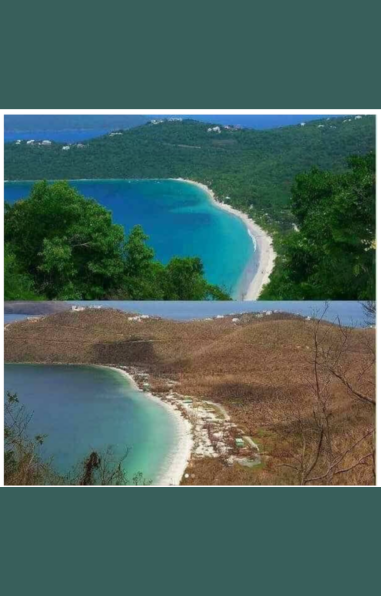
BASIC PREPAREDNESS TIPS

MAKE A PLAN & BUILD YOUR KIT

Preparedness starts with a plan. Make sure every member of your household knows your emergency communication plan — your roles, your meeting points, and how you will reach each other if separated.

Your plan should also include a disaster supply kit stocked and ready before a storm is ever named. At minimum, your kit should include a flashlight, batteries, cash, first aid supplies, medications, and copies of your critical documents — enough to sustain your household whether you shelter in place or need to evacuate.

KNOW WHAT TO DO

In most cases, the safest place to be during a hurricane is sheltered in place at home. If your home is structurally sound, stay indoors, away from windows, and in the strongest part of your structure. If your home is unstable or you are in a flood-prone area, know your nearest shelter location in advance. Stay informed by monitoring updates from the National Weather Service San Juan office and NOAA’s weather page for the latest forecasts and watches/warnings affecting the USVI.

SIGN UP FOR ALERTS

The fastest way to receive life-saving information before, during, and after a storm is through Alert VI — VITEMA’s official emergency notification system. Sign up today to receive real-time alerts via call, text, and email directly to your phone.

VITEMA – ALERT VI – SIGN UP

SHELTER IN PLACE

Sheltering in place is the primary recommended approach for hurricane preparedness across the Caribbean. If your home is structurally sound, staying put is your safest option when a storm threatens.
Evacuation to a designated congregate shelter should only be considered if you determine that your home is unsafe for the onset of projected storm winds. If you must evacuate, do so early — before tropical storm force winds begin. Congregate shelter information will be updated as it becomes available.

MAPS

Maps are an excellent tracking tool to monitor approaching storm systems and their proximity to the USVI.

As with any major storm related event, VITEMA will provide daily updates on multiple social media platforms as well as the posting of any immediate emergency actions to be taken on this website.

PREPARING YOUR HOME

01. TREES

Hurricane winds can cause trees and branches to fall, so before hurricane season trim or remove damaged trees and limbs to keep you and your property safe.

02. WATER DAMAGE

Secure loose rain gutters and downspouts and clear any clogged areas or debris to prevent water damage to your property.

03. SECURE IT

Reduce property damage by retrofitting to secure and reinforce the roof, windows and doors, including the garage doors.

04. GENERATOR

Purchase a portable generator or install a generator for use during power outages.

05. OUTSIDE

Remember to keep generators and other alternate power/heat sources outside, at least 20 feet away from windows and doors and protected from moisture.

06. NEVER

NEVER try to power the house wiring by plugging a generator into a wall outlet. Always ensure generators are operated in a properly ventilated area and NEVER indoors.

Understanding the difference

STORM NOTIFICATIONS & ALERTS

A WATCH

A watch lets you know that weather conditions are favorable for a hazard to occur. It literally means “be on guard!”

A WARNING

A warning requires immediate action. This means a weather hazard is imminent

WATCHES

Watches are issued 48 hrs in advance of the anticipated onset of tropical-storm-forced winds.

During a weather watch, gather awareness of the specific threat and prepare for action.

Monitor the weather to find out if severe weather conditions have deteriorated and discuss your protective action plans with your family.

WARNINGS

A weather hazard is either occurring (a tornado has been spotted, for example) or it is about to occur at any moment.

Warnings are issued 36 hrs in advance of the anticipated onset of tropical-storm-forced winds.

During a weather warning, it is important to take action: grab the emergency kit you have prepared in advance and head to safety immediately.

Both watches and warnings are important, but warnings are more urgent.

Maps

  • Hurricane Tracking Map

  • VITEMA Hurricane Map (2023-2024)

ADDITIONAL RESOURCES

Find additional information on how to plan and prepare for a hurricane by visiting the following resources on external websites:

Get Emergency Alerts on the Go

Have emergency alerts sent to your smartphone (or email)