U.S. VIRGIN ISLANDS – FEMA and the Virgin Islands Territorial Emergency Management Agency urge you to review and update your emergency preparedness measures with the arrival of peak tropical cyclonic activity in the Atlantic hurricane season. Take steps now to prepare yourself and loved ones. Replenish your disaster supply kit, practice your emergency communications plan, stay alert and be informed.
You and your family will most likely need to be self-sufficient in the immediate aftermath of a tropical storm or hurricane that affects the U.S. Virgin Islands. Do not take a tropical storm lightly. It can still cause strong winds, flooding, and other hazards.
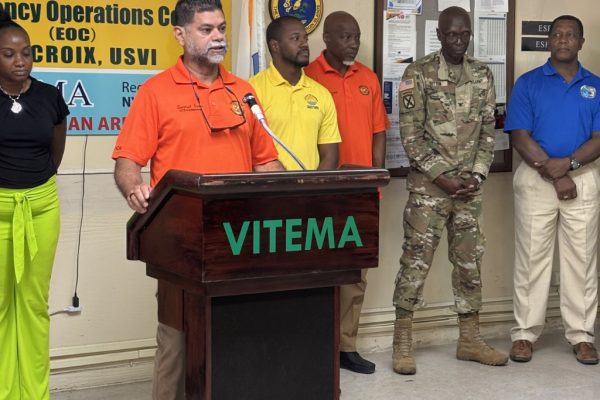
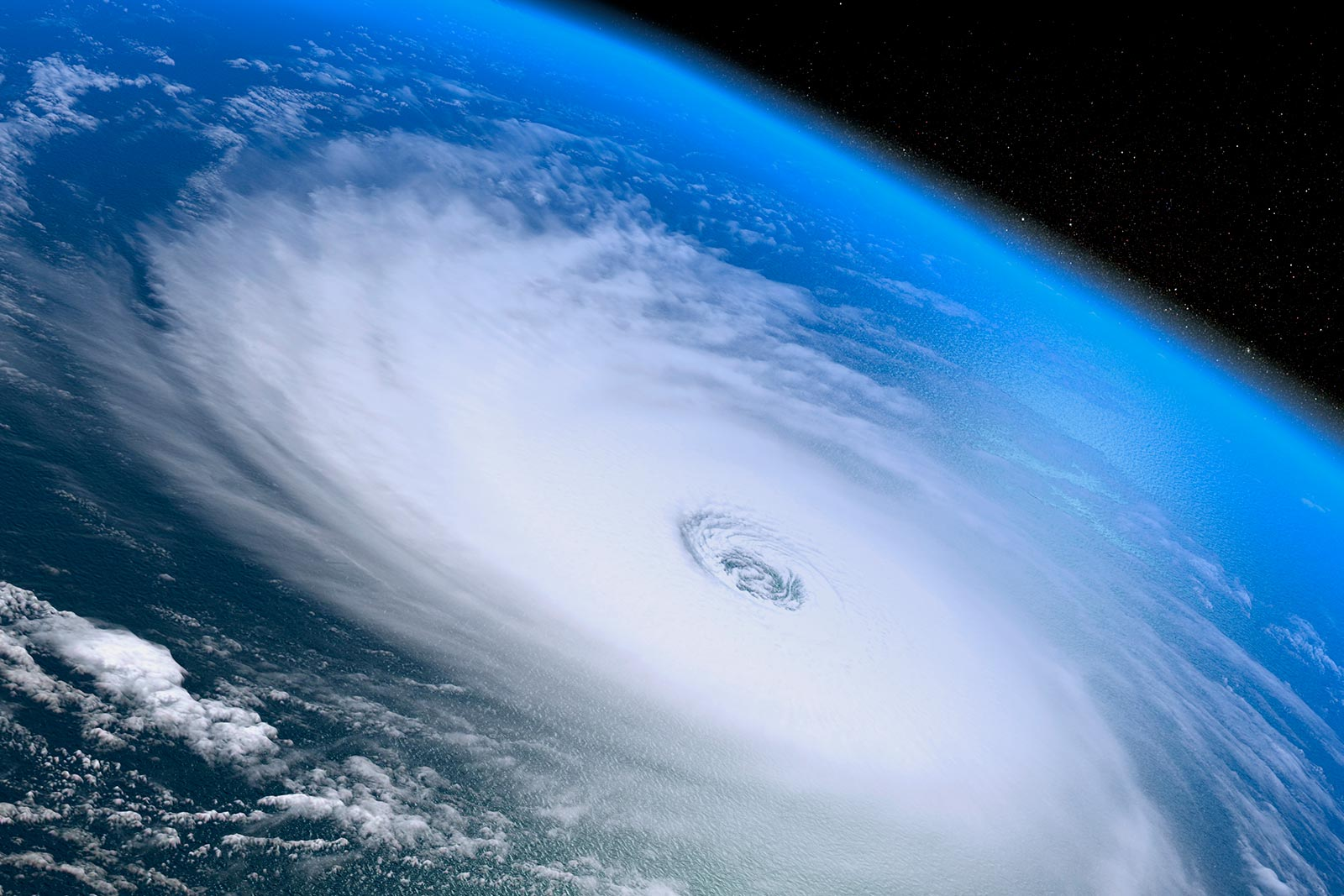
“VITEMA, all GVI [Government of the Virgin Islands] agencies, and our private sector strategic partners have been constantly preparing for this peak of the 2025 hurricane season,” said VITEMA Director Daryl Jaschen. “With the recent Category 5 Hurricane Erin passing 120 miles northeast of St. Thomas and St. John, we learned lessons about what we could expect for the rest of the season — rapid intensification is very real; Erin went from a weak Category 1 to a strong Category 5 in just over 24 hours,” said Jaschen. “VITEMA encourages the entire community to take every threat seriously and remain vigilant.”
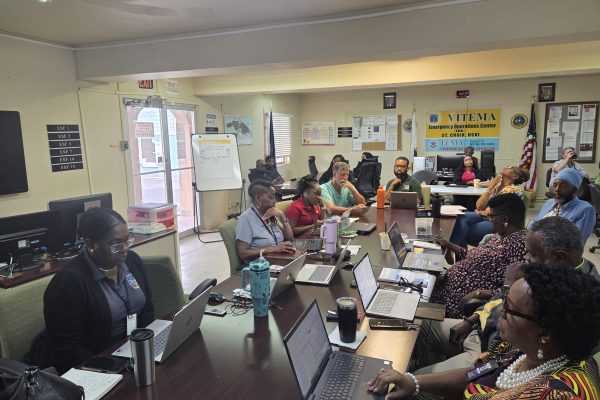
VITEMA and FEMA continue to focus on unified efforts to maintain readiness for the peak of the hurricane season.
“We continue to work with VITEMA to strengthen the territory’s capacity to respond to and recover from all hazards in the Caribbean that could impact the U.S. Virgin Islands,” said Chris Hartnett, Coordinator for FEMA’s Virgin Islands Caribbean Area Office. “We are asking Virgin Islanders to be vigilant and not get caught off-guard if storms rapidly intensify in the Caribbean this hurricane season. Review and replenish emergency supplies to make sure you and your family are capable of being self-sufficient for several days after a storm makes landfall,” said Hartnett.
There are steps you can take now to ensure you, and your household are better prepared for peak activity this hurricane season:
Build a survival kit
Families should be prepared to shelter in a secure and safe location for several days after a storm when roads might be impassable, gas stations and grocery stores closed, power off and communications uncertain.
- Store water for up to two weeks for drinking and sanitation, nonperishable food, medications, a first-aid kit and hygiene products.
- Store supplies to meet the needs of individual family members, including infants and young children, seniors, people with disabilities, and pets or service animals.
- Protect documents such as vital records, insurance policies, medical information, property and financial records, by storing copies in a safe deposit box or another location separate from your house. These may be necessary for survivors who could be eligible to apply for disaster assistance.
Plan for an extended power outage. Make an inventory of the items you need that rely on electricity. Plan for batteries and other alternative power sources to meet your needs when the power goes out, such as a portable charger or power bank. Have flashlights for every household member.
- Generators can be helpful when the power goes out. It is important to know how to use them safely to prevent carbon monoxide (CO) poisoning and other hazards. Generators and fuel should always be used outdoors and at least 20 feet away from windows, doors and attached garages. Learn more about how to protect yourself during a power outage at ready.gov.
Make a Family Communications Plan
Choose an out-of-town friend or relative as a point of contact. Make sure children have emergency contacts memorized or saved in a secure place. Determine a safe, familiar place the family can go for protection or to reunite. Ensure the location is in a central and accessible location for all family members, including family members with disabilities.
If you have pets or service animals, make sure the location is animal friendly. For more information on making a family communication plan go to Make a Plan.
Stay Informed
Listen to local official bulletins for the most up-to-date information before, during and after a disaster. It’s a good idea to have a battery or solar-powered radio to receive disaster notices and updates. Sign up for Alert VI to receive real-time notifications for emergencies in the U.S. Virgin Islands at vitema.vi.gov . Weather updates and instructions might also be found on the National Weather Service’s San Juan Facebook page.
Find more information on how to prepare at www.ready.gov/hurricanes and Hurricanes (vi.gov).
Additional Considerations for People with Disabilities
People with disabilities or access and functional needs should follow the above general instructions and consider the following additional actions:
- Create a support network. Keep a contact list in a watertight container in your emergency kit.
- Inform your support network of your emergency plan, your needs and how to communicate during an emergency.
- If you use durable medical equipment in your home that requires electricity, talk to your health care provider about how you can prepare for a power outage.
- If you are deaf, hard of hearing, deaf-blind, or have a speech disability, make sure your emergency information includes the best way to effectively communicate with you.
- Find more information about preparedness for people with disabilities at ready.gov.
Harden and Protect Your Property
You should also take steps to protect your home:
- Prepare to store anything from your property that could be picked up by hurricane winds and turned into a harmful object.
- Trim trees to remove dead limbs and secure rain gutters and downspouts.
- Make sure porches, decks or sheds are sound and firmly attached.
- Fasten down roofs with hurricane straps or clips and install strong bolts at the top and bottom of exterior doors. Buy or make storm shutters for windows.
Learn more about strengthening your home from hazards storms pose from the Federal Alliance for Safe Homes (FLASH) at flash.org. FEMA is a legacy partner of FLASH.
Prepare Your Cistern for Heavy Rains and Flooding
If possible, fill your cistern to the maximum capacity before a storm makes landfall.
To prevent stormwater from entering your cistern during a catastrophic weather event:
- Close off the water source, or
- Divert the catchment system away from the cistern
Have an emergency supply of safe water ready to use in addition to the water in your cistern. See more information on cistern safety and disasters from the Centers for Disease Control and Prevention (CDC).
FEMA and VITEMA continue to monitor the Atlantic for weather disturbances that could affect the U.S. Virgin Islands. Now is the time for you and your loved ones to get ready for the peak of Atlantic hurricane season.
###
FEMA’s mission is helping people before, during, and after disasters.